
My Experiences With Technology Addiction: What I’ve Learned

When I was growing up, I didn’t conceive that it was possible to get addicted to technology. And to be honest, I understand why. I was born in 1999, and my early experience of technology was a basic Windows computer with simple games and a straightforward design. My first experiences with tech weren’t overwhelming, although even back then, it could be tough to stay away from the computer, because I was so curious about how it worked. And I loved playing games!
However, I think my early experiences with technology were much different from my later relationship with it. It was a gradual process when tech became more addictive and attention-grabbing, a relationship that slowly grew toxic.
I first began to notice it when games started employing strategies to keep users playing for longer periods of time. In one of the games, my pet fish would die if they weren’t digitally “fed”, so I was afraid to leave the screen and would feed them late at night. I remember bursting into tears and begging my parents to let me get up in the night so I could save the fish.
These games used many of the tactics social media companies often do today: they would use intense emotions, such as fear of missing out or fear of losing your progress, to keep you playing. Sometimes they would even play on the fear of death: the possibility of losing my digital pet’s life would keep me awake at night.
But back then, you could still turn a game off and go on with your life. The immersive technologies we have now weren’t invented yet.
As I became a teenager, I started critically analyzing the tech world. I was frightened when I saw kids my age completely absorbed in screens. I didn’t want to lose my ability to stay in touch with the real world, so I dove into writing, the creative arts, and tennis. I disliked social media a lot and felt it was a waste of time. But many of my peers didn’t share this opinion.
And still, no one is immune to peer pressure and the pressures of society. As the world changed around me, and more and more people began to live their lives online, I did feel somewhat left out. It was part of Big Tech’s strategy to mesh the real world with the digital world, making it almost impossible to opt out.
The Social Media World
I finally ended up joining social media as a young adult, because I was working on a blog at the time, and one of the tips I found said you should share your posts on social media to find readers. I thought, “Well, maybe this is a good way to use the technology. I won’t go too far with it.” Little did I know that social media could be incredibly addictive, and it soon hooked me deep within its grasp.
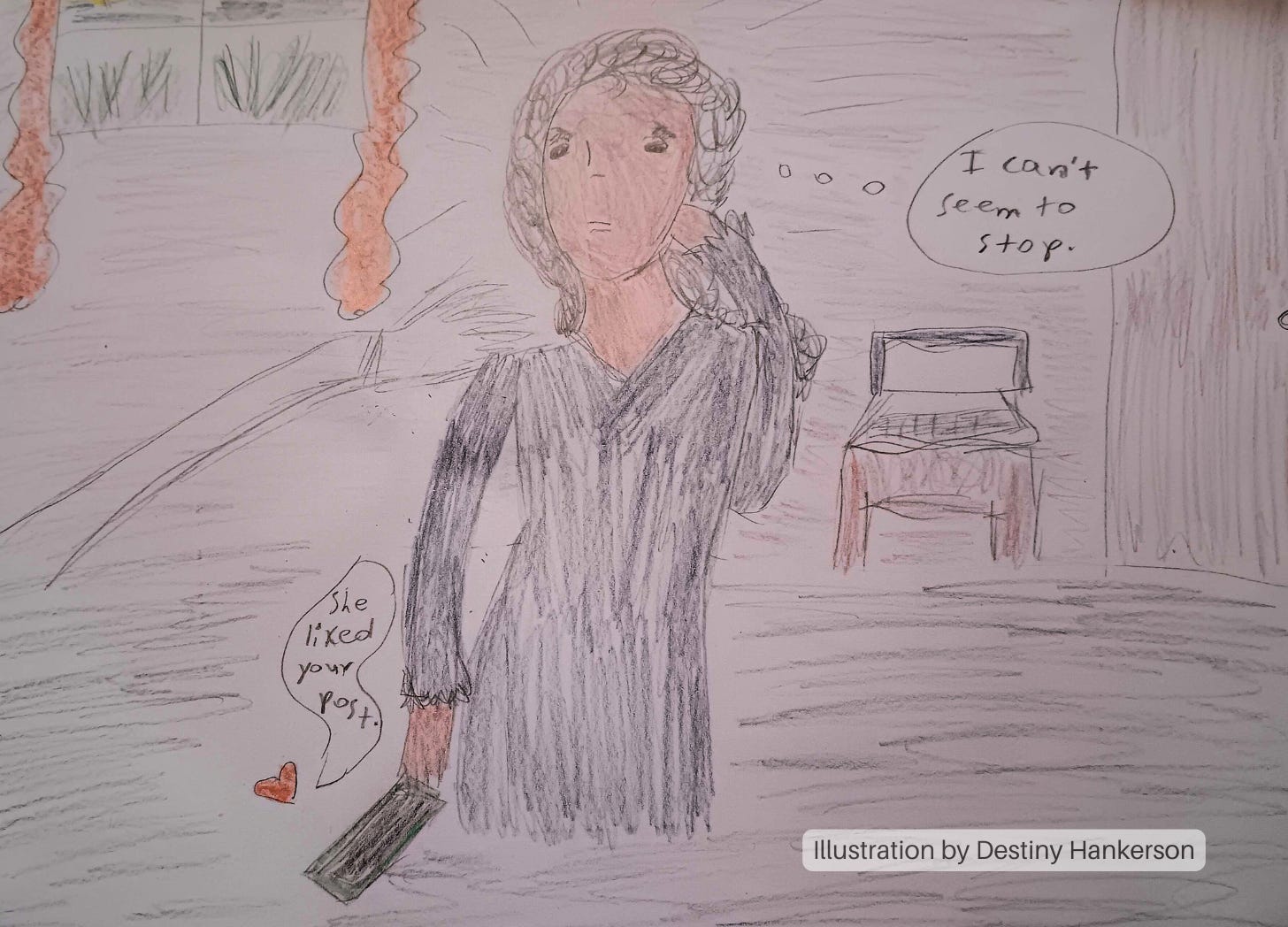
In the beginning, I tried to ignore likes and followers, because I felt they were distractions from my writing, but I became lured into them over time. Like many people who use social media, I would get hooked on checking for likes or followers, and I would often stress over people’s reactions to my posts. I think this situation was exacerbated by the fact that I struggle with mental health issues, so I didn’t always have the greatest control over what I shared or posted. I have often said and done things in a manic state that I would never do when I am lucid, but social media would capture those moments and make it much harder for me to get through them.
I finally had a nervous breakdown which led to me taking a long break from devices. During my break, I started slowly putting two and two together about how social media’s design harmed me. But I still didn’t have the full picture yet.
The Path to Recovery
I tried to consciously limit my social media use, but it was very difficult. Even when I avoided social media, there were addictive designs all around me in other tech tools. For example, I would stay away from social media, but the design of smartphones and productivity software still relied on continual notifications. A surprising number of sites and devices followed attention-grabbing design principles: not always because of malicious intent, but because the idea of reducing friction and increasing engagement is normalized in tech design.
That made it hard to stay away from the harmful patterns I developed. But I started learning how to gain control over my time and energy again, through trial and error. I would set aside time to focus on reading books, rebuilding my attention span. I returned to writing stories and making art, which helped me use my brain in different ways and reignited older pathways which had healthier habits. Over time, I discovered social media alternatives and ways to benefit from the internet, too.
I also read a lot about survivors of brain injuries, and how they rebuilt their abilities through resilience and creativity. Even though academics were debating whether social media addiction was a “true addiction”, I knew I could learn a lot from people who overcame brain damage, because I felt my brain was fighting a battle against damaging technologies.
When I discovered Design It For Us, that helped me understand that the harms of social media weren’t my fault. Instead, it’s a structural issue where Big Tech’s flawed, dangerous designs negatively impact users. As I started to volunteer, I learned how to put my own experiences into a larger context. Instead of blaming ourselves, we could take coordinated action (through policy, storytelling, research, and much more) against industrial harms.
KGM’s court case, and her eventual victory over the Big Tech companies, showed me clear proof that the responsibility for social media harms don’t lie with the individual. Although the companies tried to use KGM’s previous mental health challenges and family struggles against her, the evidence showed that social media directly damaged her well-being. Even Big Tech couldn’t persuade the court that their technologies were safe.
Today, I study technology addiction through my research on how social media affects us. This has helped me understand my experience with the unnatural, never-ending hooks these platforms use to keep us scrolling.
But this is only one piece of the puzzle. We’re also discovering how mainstream social media companies play on our emotions, offering a form of escapism from the challenges of everyday life. I think anyone who has faced technology addiction will understand it’s often a way to avoid facing our fears, our boredom, our lack of purpose. These companies can manipulate our human emotions into a stream of never-ending profit, but once we’re aware of their tactics, we start to make different choices with our time and lives. We can also build healthier technologies and habits that work with us instead of against us.
Bringing purpose and meaning back into my life is one of the ways I combat technology addiction. I still feel the struggle, but not as much as before. I understand that I can find purpose in so many other ways, outside of Instagram or TikTok. When I create something with my hands, or revisit old activities I enjoyed, I know that this creative part of me survived and was not consumed by harmful technology.
I don’t believe all technology is bad: our digital tools can absolutely be used in positive ways. I’m grateful for how I’ve archived many of my stories through my digital photos, for example. But we need to have clear ethical rules around how we create technology, so we benefit instead of facing harm.
- Destiny Hankerson, DIFU Member